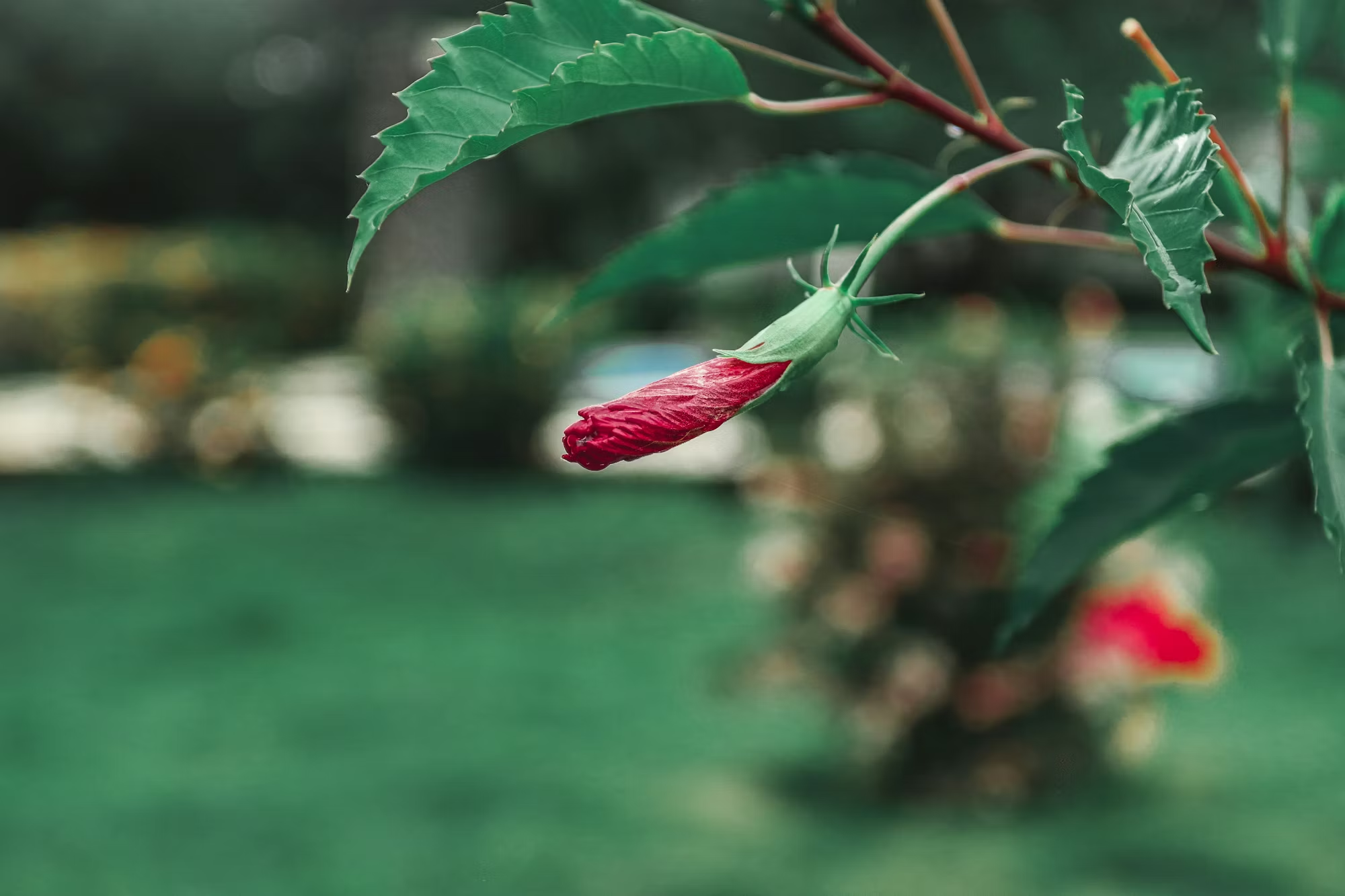
Exotic flowers have a unique allure that captivates the imagination and transports us to faraway places. These vibrant blooms, often native to tropical or subtropical regions, not only add stunning visual interest to gardens but also tell stories of their origins and the ecosystems they come from. In this article, we will explore the fascinating world of exotic flowers, their significance in various cultures, and tips for incorporating them into your own garden. One of the most striking aspects of exotic flowers is their diverse range of colors, shapes, and sizes. From the elegant orchid to the bold hibiscus, these flowers often boast vivid hues and intricate patterns that draw the eye and ignite curiosity. The lush environments from which they originate contribute to their remarkable beauty, making them a popular choice for gardeners looking to create a vibrant display. Among the most celebrated exotic flowers is the orchid, known for its delicate beauty and fascinating variety. Orchids are one of the largest families of flowering plants, with thousands of species found across the globe. Their intricate blooms come in countless shapes, sizes, and colors, making them a favorite for floral arrangements and indoor displays. In many cultures, orchids symbolize love, beauty, and strength, and they are often gifted on special occasions. For those interested in cultivating orchids, understanding their specific care requirements is crucial. Most orchids thrive in well-draining potting mixes and prefer indirect sunlight. Regular watering, along with periodic fertilization, can help ensure healthy growth and stunning blooms. Another exotic flower that captivates many is the hibiscus, known for its large, showy blooms and vibrant colors. Commonly found in tropical regions, hibiscus plants can grow as shrubs or small trees, adding height and drama to garden landscapes. The flowers can range from soft pastels to fiery reds and oranges, making them a stunning focal point in any garden. In addition to their beauty, hibiscus flowers have cultural significance in various societies. In Hawaii, for example, the hibiscus is often associated with hospitality and is used in traditional lei-making. To grow hibiscus successfully, they require full sunlight and well-drained soil. Regular watering is essential, especially during dry periods, to encourage lush foliage and abundant flowers. Another intriguing exotic flower is the bird of paradise, with its striking resemblance to a colorful bird in flight. Native to South Africa, this plant is renowned for its dramatic foliage and unique blooms. The bright orange and blue flowers emerge from long, slender stems, creating a striking display in gardens and landscapes. Bird of paradise symbolizes joy and paradise itself, making it a popular choice for tropical-themed gardens. For optimal growth, bird of paradise plants thrive in full sun and well-draining soil. Regular watering is necessary, but care should be taken not to overwater, as this can lead to root rot. As we explore exotic flowers, we cannot overlook the striking plumeria, known for its fragrant blooms and association with tropical paradises. Plumeria flowers come in various colors, including white, yellow, pink, and red, and are often used in making leis in Hawaiian culture. The intoxicating scent of plumeria makes it a popular choice for gardens, especially in warm climates. Growing plumeria requires full sunlight and well-drained soil. They are drought-tolerant once established, making them relatively easy to care for in suitable environments. Incorporating exotic flowers into your garden can transform your space into a lush paradise. When planning your garden, consider grouping exotic flowers together to create a cohesive design that highlights their unique features. Use contrasting colors and textures to create visual interest and draw attention to individual blooms. Incorporating other elements such as ornamental grasses or tropical foliage can enhance the overall aesthetic and create a sense of depth. Additionally, when selecting exotic flowers, it’s important to consider your local climate and growing conditions. While many exotic flowers thrive in tropical regions, some varieties may adapt well to temperate climates with proper care. Research local horticultural guidelines to determine which exotic flowers will flourish in your area and how to care for them effectively. In addition to their aesthetic appeal, exotic flowers can also attract various pollinators, such as bees, butterflies, and hummingbirds, enhancing the biodiversity of your garden. By choosing a variety of flowers that bloom at different times, you can create a habitat that supports these important creatures year-round. Providing a source of nectar and shelter encourages pollinators to visit your garden, creating a lively and dynamic environment. Caring for exotic flowers often involves understanding their specific needs regarding light, water, and soil conditions. Regular maintenance, such as pruning and fertilization, is essential to promote healthy growth and vibrant blooms. Be mindful of seasonal changes and adjust your care routines accordingly. For example, many exotic flowers may require extra protection during colder months or may need additional watering during hot, dry spells. As you cultivate your exotic flower garden, consider documenting your journey. Keeping a garden journal can help you track your progress, note any challenges you encounter, and reflect on the changes in your garden over time. This practice can enhance your gardening experience and provide valuable insights for future seasons. Moreover, sharing your passion for exotic flowers with others can foster a sense of community. Join local gardening clubs or participate in online forums to connect with fellow enthusiasts, exchange tips, and share experiences. Learning from others can broaden your knowledge and inspire new ideas for your own garden. In conclusion, the world of exotic flowers offers a captivating journey through nature’s wonders. These vibrant blooms not only enhance the beauty of our surroundings but also connect us to diverse cultures and ecosystems. By carefully selecting and cultivating exotic flowers, we can create our own floral paradise that brings joy and serenity into our lives. Embrace the beauty and allure of exotic flowers, and let your garden become a vibrant reflection of your love for nature.
Exploring the World of Exotic Flowers: A Journey Through Nature’s Wonders
Comments RSS Feed